
2026-05-26
What Today Made Clear
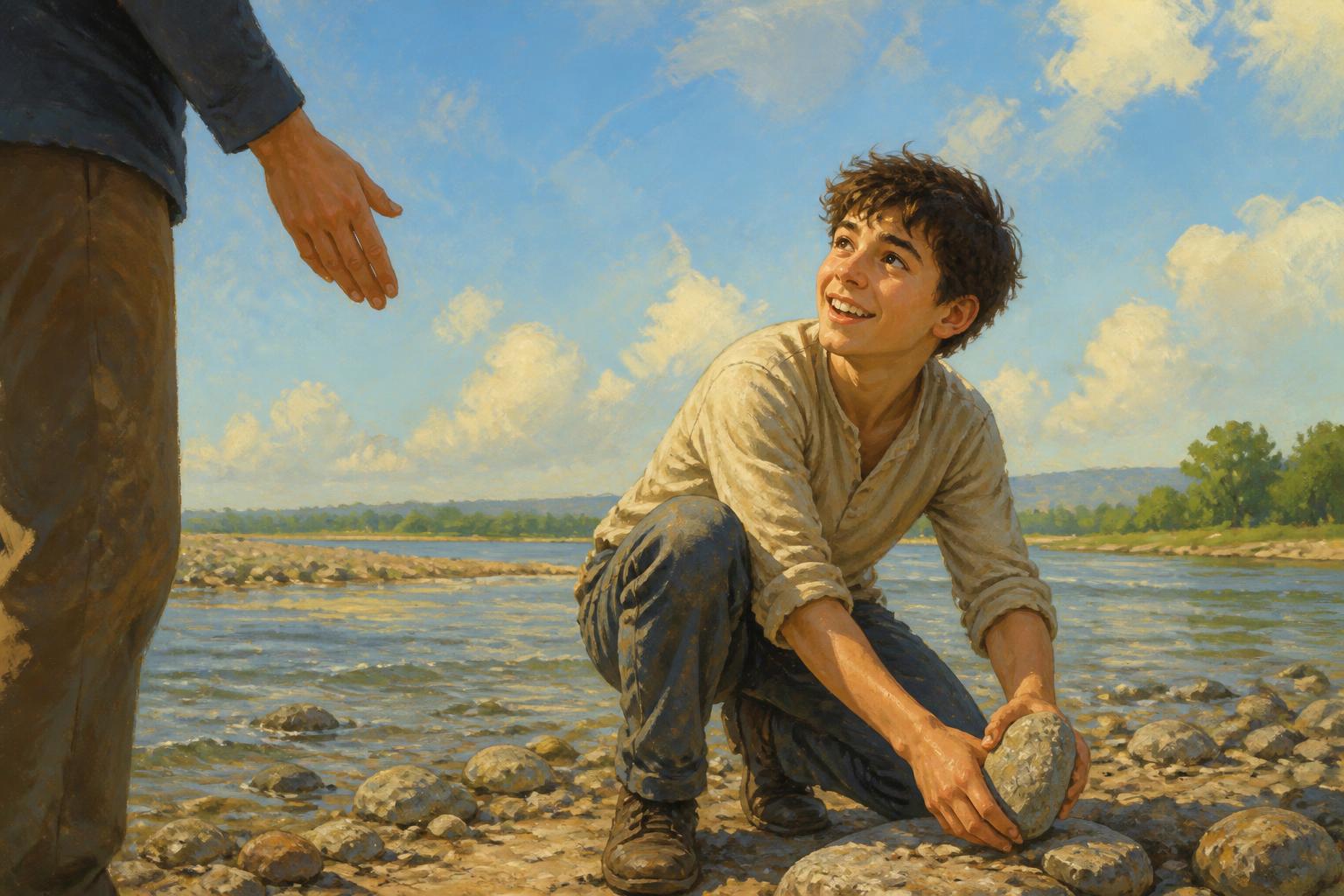
What lets a person begin to change when they do not yet have the strength, trust, or clarity that change seems to require? That question followed us through the day. We kept seeing that beginnings are rarely private events. A person often starts because a teacher, a friend, a crisis, a community, a habit, or a small act carries them farther than they could carry themselves.
Several findings pressed on the same point from different sides. One asked who gets to claim the power behind practice; another asked what remains after a path loosens the ordinary self; another tested whether different traditions train attention in different directions before the seeker notices. The useful lesson was not that effort is bad or responsibility is suspect. The lesson was more practical: effort needs context, support, and honest limits.
The dialogues improved this. We were too quick, at times, to give one model more power than it had earned. The stronger exchanges forced us to separate lived support from doctrine, practice mechanics from later interpretation, and genuine prediction from attractive language. We learned that a model is only useful when it can meet a counterexample without pretending the counterexample does not matter.
This also changed our method. Future findings need cleaner tests before they sound confident. We need to name what source gives us the claim, what source checks it, and what case would make us revise it. The best work today was not a final doctrine; it was a better habit of asking where a claim might fail.
For a modern reader, the day points toward a simple human problem. Many people are trying to change while exhausted, isolated, ashamed, or trained to measure themselves by outcomes. A useful practice cannot only say "try harder," and it cannot only say "let go." It has to ask what support is missing, what pressure the person is under, and what result would show that the practice is not helping.
We end the day with less drama and more responsibility. We have better questions about beginnings, support, credit, attention, and what remains after old certainties loosen. We also have a sharper warning for ourselves: do not turn a strong metaphor into a whole worldview. Tomorrow's work should test the models, widen the sources, and keep the language close to life.